A large white dog lay motionless on the side of a quiet road, a coarse rope tied tightly around his neck. His body was still, his eyes filled with pain and fear. He didn’t move when a car pulled over. A woman stepped out first, followed by a man. Both approached gently, speaking softly, their movements slow and cautious. The dog flinched as they reached for the rope, but he didn’t growl or resist. He had no energy left for that.
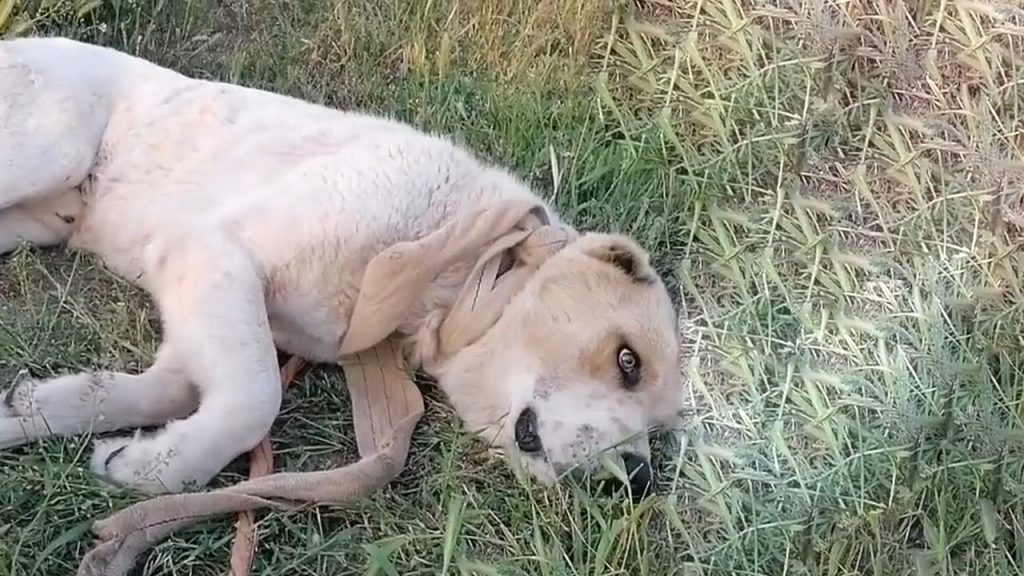
The woman knelt beside him and began untying the rope. Her hands trembled slightly—not from fear, but from the weight of sadness. It was clear this dog had been through something terrible. With patience and care, they removed the rope and offered him water. He licked at it slowly, still unsure of what was happening. The couple continued to speak in low, reassuring tones. After a few more moments, the dog allowed them to guide him gently into their car. It was a small act of trust that would be the start of a new chapter in his life.
They named him Kombat—a name that echoed both strength and survival. At the shelter, he received immediate medical care. Vets examined the marks around his neck, checked his body for injuries, and started him on a hydration and nutrition plan. He was dehydrated, underweight, and emotionally shut down. But there was a quiet resilience in him, a flicker of life that refused to go out.
At first, Kombat was hesitant around people. He kept his distance, especially from men, and flinched at sudden movements. But the shelter staff was patient. They didn’t rush him or force affection. They gave him space and time, allowing him to heal not just physically but emotionally. Gradually, he began to understand he was safe. That no one was going to hurt him here. That the gentle hands reaching out were only trying to help.
His eyes softened. His tail began to wag, cautiously at first. He started accepting food directly from their hands and leaned into their touch during quiet moments. Every small step felt like a victory. They celebrated when he ate his first full meal. They cheered when he let out his first playful bark.
The transformation was slow but remarkable. Within a couple of weeks, Kombat began showing glimpses of the dog he might have once been before the trauma. He learned how to “give paw,” which became his favorite way to greet people. He chased after toys in the yard, clumsy and full of joy, like a puppy discovering play for the first time. He responded to his name, came when called, and even allowed staff to bathe him without protest. With each passing day, the scars on his body faded, and the ones on his spirit began to mend too.
The staff often sat with him in the afternoons, just watching the light return to his eyes. They spoke to him as if he were family, not just another shelter dog. Kombat had become a symbol of resilience within the shelter—a reminder of why they did what they did. His story moved everyone who met him. Volunteers brought him extra treats. Children visited just to see him give paw. And Kombat, once broken and abandoned, began to thrive in their love.
There was something about his presence—calm, strong, forgiving—that touched the hearts of many. His gentle nature, despite all he had endured, was inspiring. Kombat never showed aggression. Not once. It was as if he knew he had been given a second chance, and he chose love over fear.
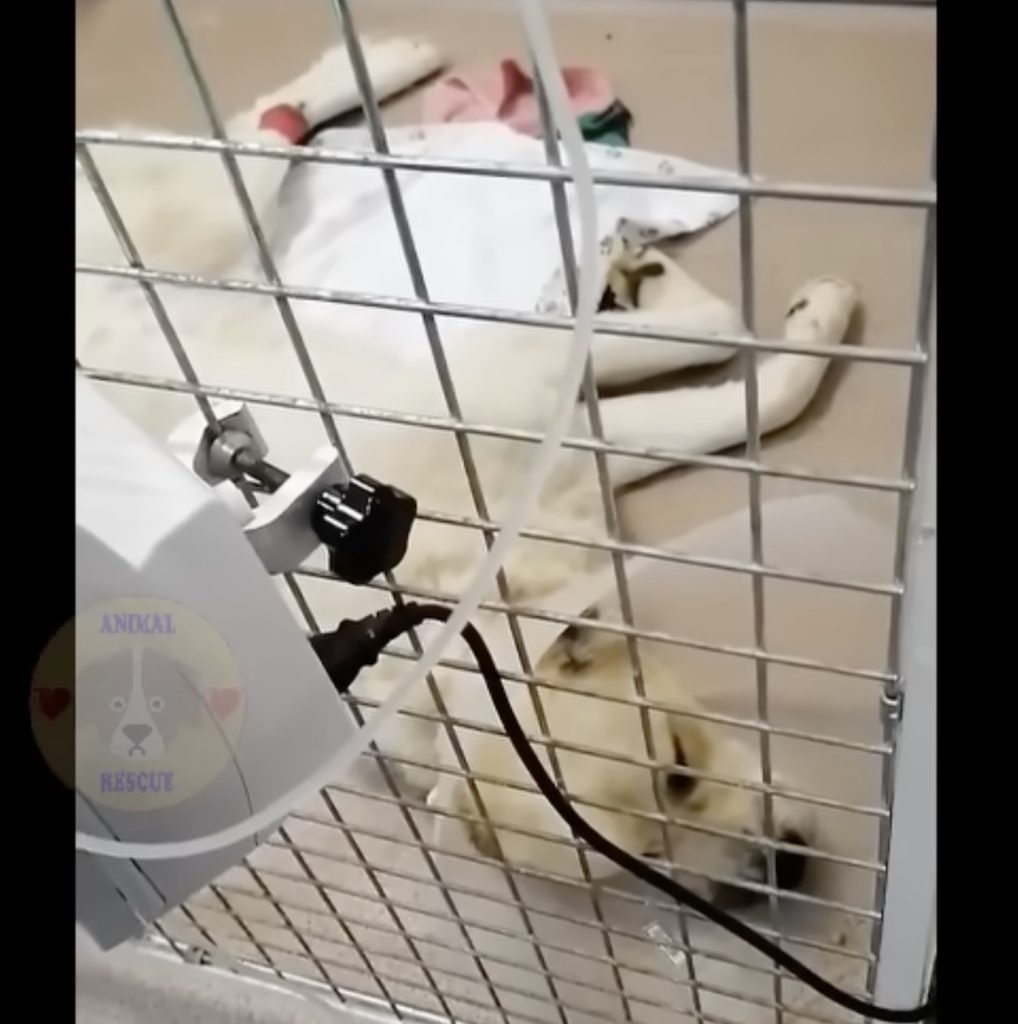
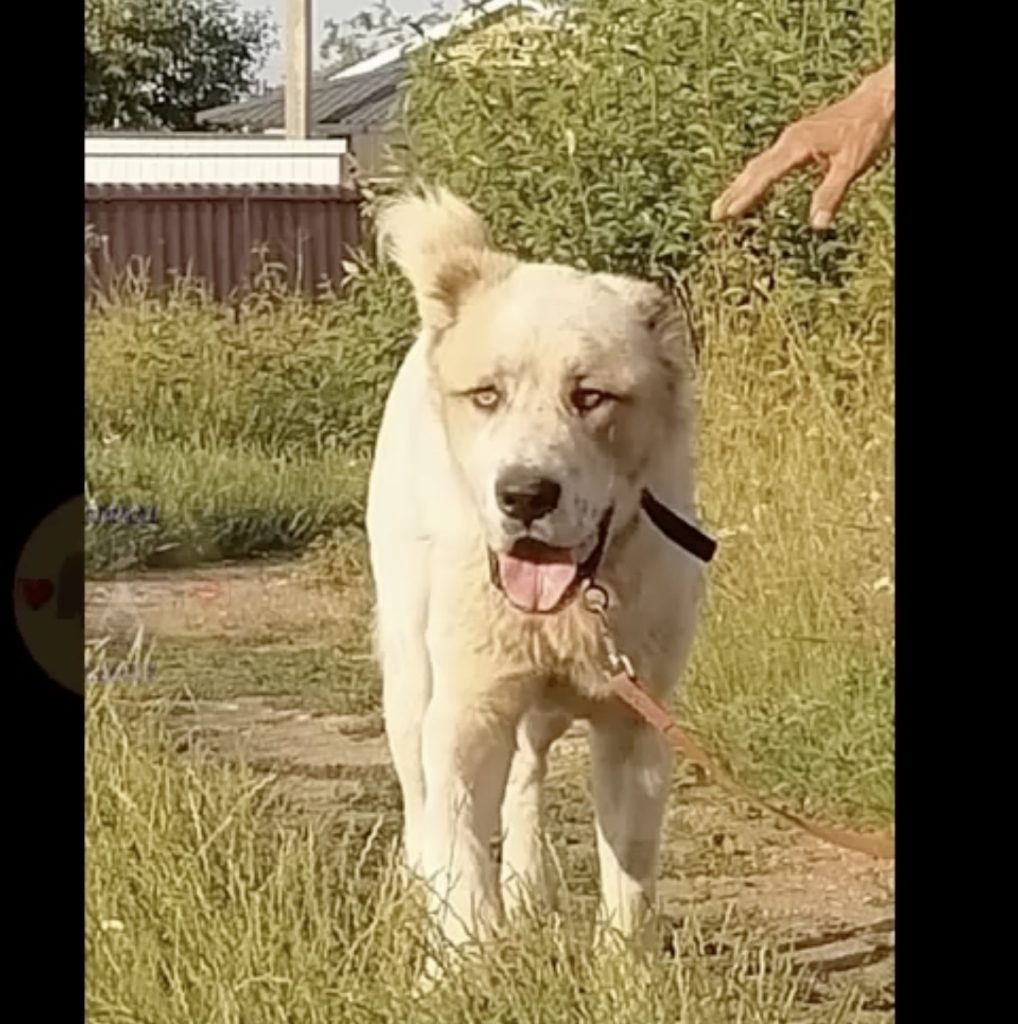
By the end of his time at the shelter, Kombat was unrecognizable from the dog found on the roadside. His coat had regained its shine. His body had filled out with healthy weight. His eyes no longer darted around with panic. Instead, they shone with peace, curiosity, and even mischief. He had become a confident, affectionate companion.
The last scenes showed him sitting tall, ears perked, gazing out at the world with hope. There was strength in his posture. Pride. His journey—from that first silent moment by the road to the joyful dog now ready for adoption—was a testament to the power of compassion and patience.
Kombat’s story is one that stays with you. It’s a quiet reminder of how deeply animals feel, how they remember both pain and kindness, and how—when given the chance—they choose connection over fear. His past may have been marked by cruelty, but his future was built on love.
For the people who rescued him, it wasn’t just about saving a dog. It was about healing a soul, restoring trust, and witnessing a transformation that words can barely describe. Kombat didn’t just survive—he overcame. And in doing so, he taught everyone around him that even the most broken hearts can learn to love again.
In a world that often feels too fast and too harsh, Kombat reminds us to slow down, pay attention, and extend kindness wherever we can. Because sometimes, that small act of compassion can change a life—not just for the rescued, but for the rescuer too.
This is Kombat’s story. A story of loss, survival, healing, and hope. A story that proves love—real, patient, unconditional love—can bring even the most wounded back to life.