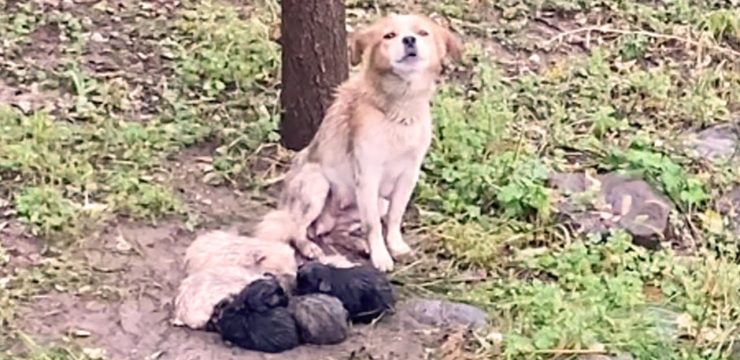
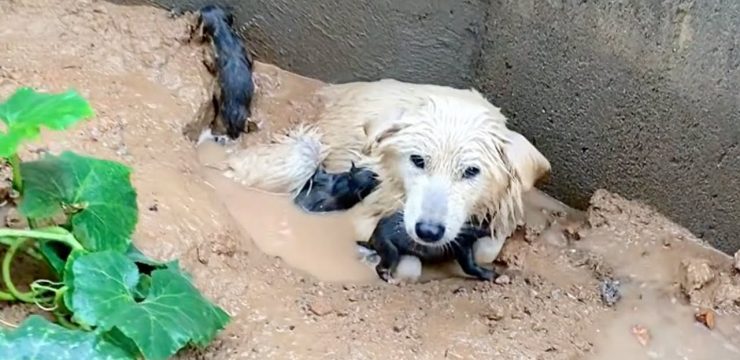
On a bitterly cold night, when the air cut through skin and frost clung to every surface, a security guard making his routine rounds noticed a fragile shape pressed tightly against a metal fence. Curled into herself, a stray mother dog shielded her newborn puppies from the wind, using her own thin body as their only barrier against the freezing temperatures. The ground beneath her was stiff with cold, and the world around her felt unforgivingly silent.
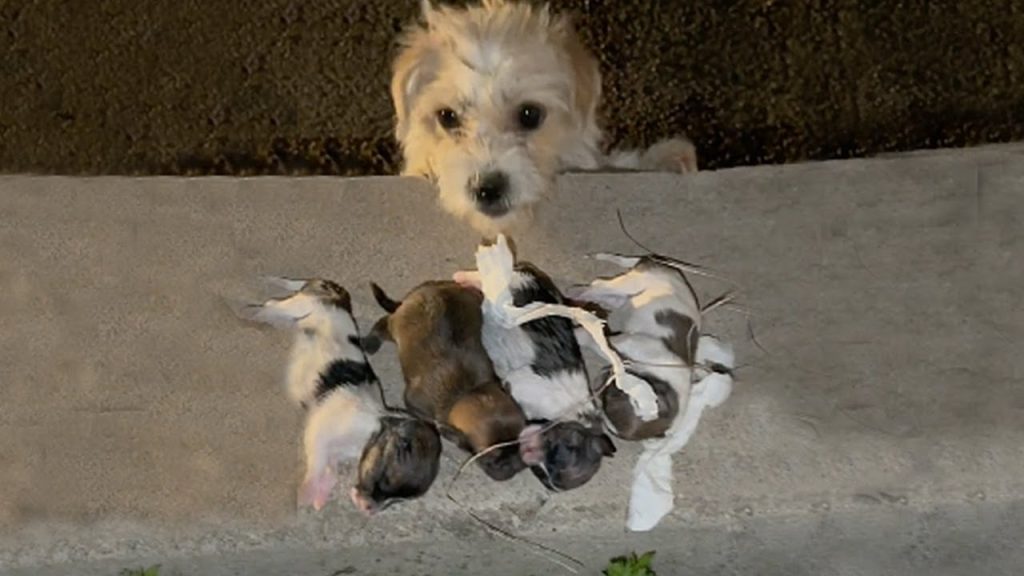
She had chosen the narrow space by the fence because it offered the slightest protection from the wind. Her body trembled, not only from the cold but from exhaustion. Five tiny puppies lay close against her belly, searching instinctively for warmth and nourishment. In that moment, survival depended entirely on her.
When the guard realized what he was seeing, he understood the urgency. The temperature had dropped below freezing, and the night was only growing colder. He contacted a local rescue team, knowing that without help, the small family might not survive until morning.
When rescuers arrived, they approached carefully. The mother dog, driven by instinct, was wary and protective. She positioned herself between the humans and her puppies, her eyes wide with fear and determination. She had endured so much already, and trust did not come easily. But hunger and fatigue had weakened her. The rescuers spoke softly, moving slowly, offering food as a sign of peace.
Gradually, the scent of nourishment and the calm tone of the volunteers began to ease her tension. After a tense few moments, she allowed them closer. One by one, the puppies were gently lifted and placed into a warm carrier. Finally, the mother followed, too exhausted to resist further. It was a delicate balance of patience and compassion that made the rescue possible.
The cold had already taken a toll. Despite the team’s swift response, only two of the five puppies were strong enough to continue fighting. The harsh temperatures and lack of proper nutrition had proven too much for the smallest among them. The loss weighed heavily in the air. The mother’s eyes, once guarded and fierce, now appeared distant and sorrowful, as if she understood that her family would never again be whole.
At the rescue center, warmth replaced the biting wind. Soft blankets, clean bedding, and steady meals offered comfort the little family had not known before. Veterinary staff examined the mother carefully. She was underweight and fatigued, but remarkably resilient. After a full night of rest and nourishment, her condition began to improve. Her trembling eased. Her breathing steadied. For the first time in days, she relaxed without fear.
The two surviving puppies responded quickly to care. With consistent feeding and a safe environment, their small bodies grew stronger. They nestled close to their mother, who rarely took her eyes off them. Even in her exhaustion, her instinct to protect and nurture remained powerful.
A few days later, the rescue team faced another challenge. Two orphaned puppies had been found alone along a roadside, vulnerable and without their mother. They were close in age to the rescued pups but had no source of milk or protection. The team considered their options carefully. Bottle-feeding was possible, but it could never fully replace the comfort of a mother’s presence.
With cautious hope, the volunteers decided to introduce the orphaned puppies to the recovering mother. The moment was filled with uncertainty. Would she accept them, or would she reject the unfamiliar scent?
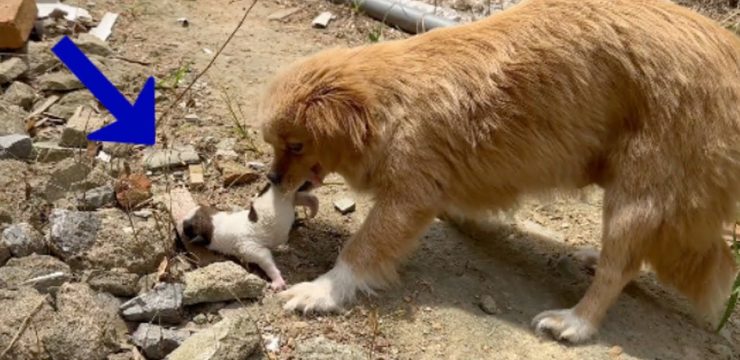
As the tiny newcomers were placed gently near her bedding, she lifted her head and sniffed the air. Her posture stiffened briefly, alert and assessing. The room felt still as everyone waited. Then something remarkable happened. Instead of turning away, she lowered her head and nudged one of the orphans closer. Within minutes, the puppies instinctively sought her warmth. She did not pull back.
Soon, she began to nurse them alongside her own surviving pups. What could have been a moment of division became one of quiet grace. Her maternal instinct expanded effortlessly, embracing the vulnerable newcomers as if they had always belonged. The rescue team watched with gratitude and awe.
In the days that followed, the blended family settled into a rhythm. The puppies tumbled over one another, indistinguishable in their need for comfort and care. The mother moved gently among them, cleaning, feeding, and resting with equal devotion. Her earlier heartbreak did not disappear, but it transformed into something deeper: a renewed sense of purpose.
What began as a desperate scene against a frozen fence evolved into a testament to resilience and compassion. The mother who once stood defensively in the dark now lay peacefully in a warm room, surrounded by four thriving puppies. The volunteers who had answered a late-night call witnessed not only survival but the extraordinary power of instinctive love.
For many of us, stories like this serve as reminders that even in the harshest conditions, hope can take root. Compassion, when offered with patience and respect, can bridge fear and create unexpected bonds. A freezing night could have ended in silence and loss. Instead, it opened the door to a second chance for a small family that refused to give up.
In the gentle breathing of those puppies and the steady gaze of their devoted mother, there is a quiet lesson: love does not always erase sorrow, but it can transform it. And sometimes, when the world feels coldest, the warmest acts of kindness shine the brightest.