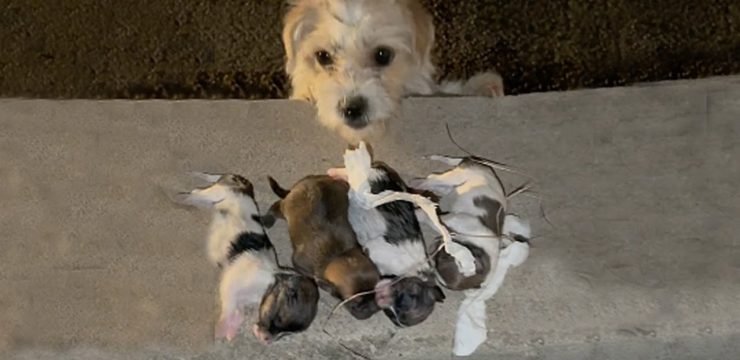
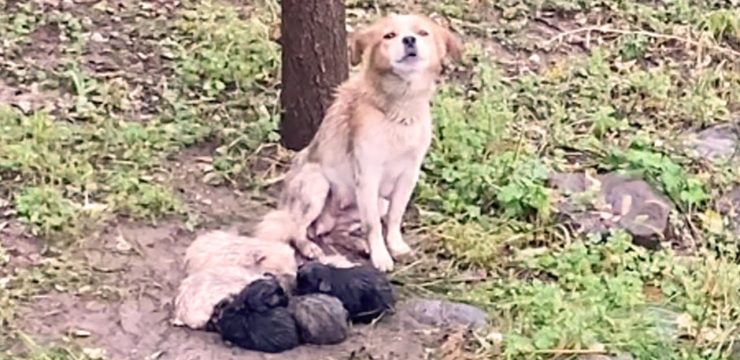
A quiet cry in the middle of a bitter winter led to one of the most unforgettable rescue journeys imaginable. Hidden beneath a thin layer of hay inside an old cardboard box were four newborn puppies, their tiny bodies pressed together for warmth. The air was cutting cold, hovering just above freezing, and every breath seemed to sting. Their mother, painfully thin and visibly exhausted, hovered over them with fierce devotion, determined to protect them from a world that had already given her so little.
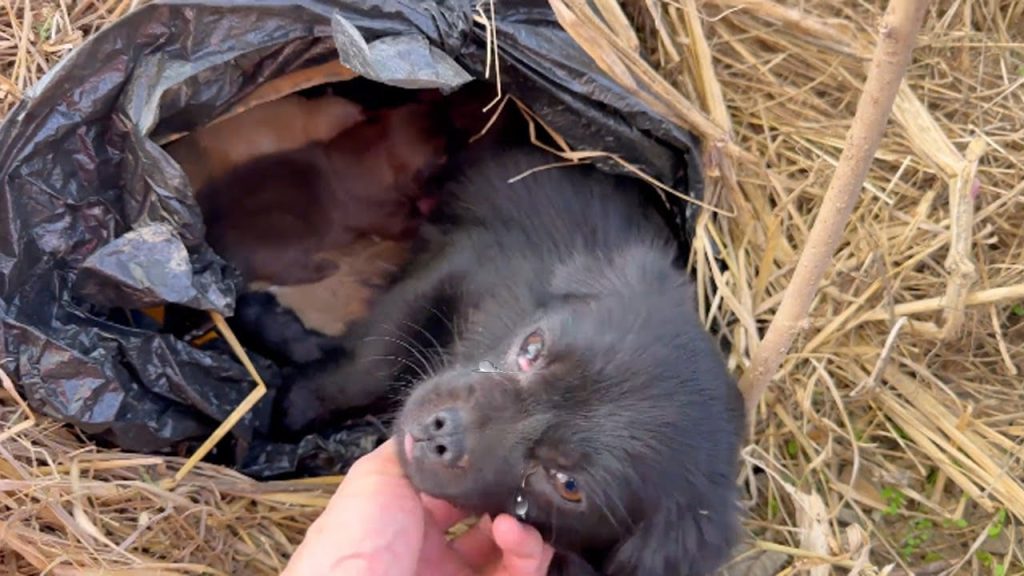
She had built that fragile shelter herself, choosing a forgotten corner as her refuge against the wind. Though rescuers approached gently, she refused to abandon her makeshift home. Trust does not come easily to a mother who has survived on instinct alone. Her ribs were visible beneath her fur, her movements slow from hunger and fatigue, yet her eyes remained alert. She would not leave her babies, no matter how harsh the temperature became.
The rescuers understood that forcing her would only deepen her fear. Instead, they chose patience. Each day, they returned with nourishing food and fresh water, speaking softly, keeping a respectful distance. Gradually, the mother began to accept their presence. She allowed them to set food nearby. She allowed them to observe her puppies. It was the first fragile bridge between survival and hope.
Winter, however, showed no mercy. Snowstorms swept through, dropping temperatures even lower. During one particularly harsh stretch of weather, the mother developed a fever. Her already weakened body struggled against the cold and illness at the same time. The rescuers stepped in carefully, providing medical support while reinforcing the shelter with heavy tarps to block the wind. They layered insulation around the cardboard box and checked on the family daily, sometimes more than once. Every small improvement felt hard earned.
Despite the freezing air, the puppies continued to grow. Their eyes opened. Their tiny legs strengthened. They began to wobble outside the box, discovering the world a few inches at a time. Still, their survival was far from guaranteed. Nights dipped to dangerously low temperatures that no young animal should endure outdoors. The rescuers knew that time was running out. Compassion alone would not be enough; action would soon be necessary.
For weeks, they balanced respect for the mother’s instincts with the urgency of the weather. Trust deepened slowly. She no longer flinched when they approached. She ate more confidently. She allowed them closer to her puppies. Then came the coldest days yet, when the air turned sharp and unforgiving. The ground hardened, and even layered insulation could not fully protect against such extremes. It became clear that remaining outside would place the entire family at serious risk.
In a quiet, powerful moment, the mother made her choice. Instead of retreating into the box, she stepped toward the rescuers. There was hesitation in her posture, but also resolve. It was not surrender. It was trust. Gently, carefully, the rescuers moved her and her four puppies into a warm indoor space prepared just for them. Blankets replaced hay. Solid walls replaced cardboard. For the first time since their birth, the puppies slept without the threat of frost in the air.
The change did not happen overnight, but warmth has a remarkable way of restoring life. With steady meals and consistent care, the mother’s strength began to return. Her coat regained some of its luster. Her eyes softened. The fever subsided completely. The puppies, free from the constant strain of cold, grew rapidly. They played with one another, tumbling across the floor, discovering toys instead of icy ground.
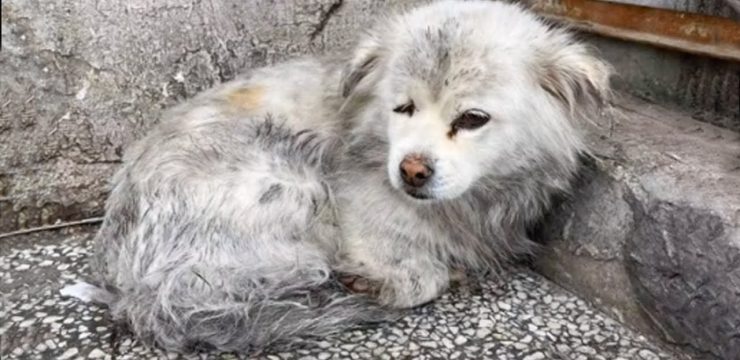
Months passed, and the transformation was extraordinary. Those fragile newborns hidden in a cardboard box became healthy, fluffy young dogs, each weighing more than twenty pounds. Their bodies filled out with good nutrition. Their personalities emerged—curious, bright, and full of energy. The mother, once emaciated and wary, stood proudly beside them, no longer defined by survival but by security.
What makes this story so meaningful is not only the dramatic shift in their physical condition, but the reminder of what steady compassion can accomplish. There were no shortcuts. No instant miracles. Just daily commitment in harsh weather, quiet medical care, reinforced shelter, and patient trust-building. Rescue is often less about dramatic moments and more about consistent presence.
Five months after those first desperate cries were heard, the family was no longer fighting against winter winds. They were living in warmth, safety, and comfort. Their days were filled with routine meals, gentle human interaction, and the simple joy of play. The mother no longer had to brace herself against freezing nights. The puppies no longer had to press together for warmth inside a crumbling box.
For many who watch their journey unfold, the impact reaches beyond one family of dogs. It speaks to resilience. To the strength of maternal devotion. To the power of choosing patience instead of force. And perhaps most importantly, it reminds us that even in the harshest seasons, steady kindness can change the trajectory of a life.
Their story began with a cry in the cold. It continued through snow, illness, and uncertainty. And it stands today as proof that when compassion persists, survival can turn into something far greater—security, dignity, and the chance to simply live without fear.