Millie was seven years old when her world quietly fell apart. After years of belonging to a family she trusted, she was abandoned and left emotionally shattered. The loss was not loud or dramatic. It showed itself in silence—in the way she pressed her trembling body into the furthest corner she could find, as if trying to disappear from the world altogether. Fear consumed her. She avoided every glance, every outstretched hand, every sound that hinted at human presence.
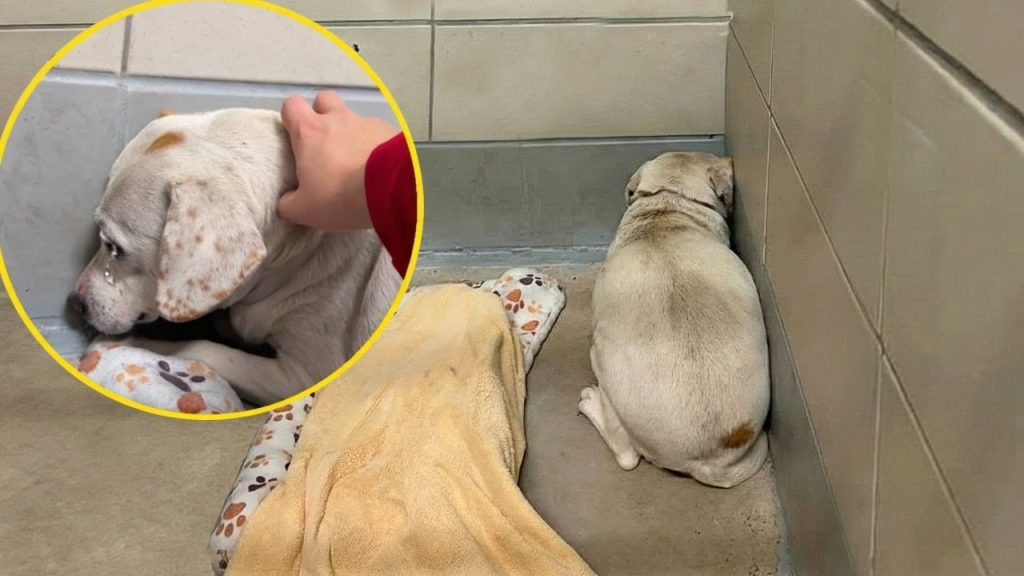
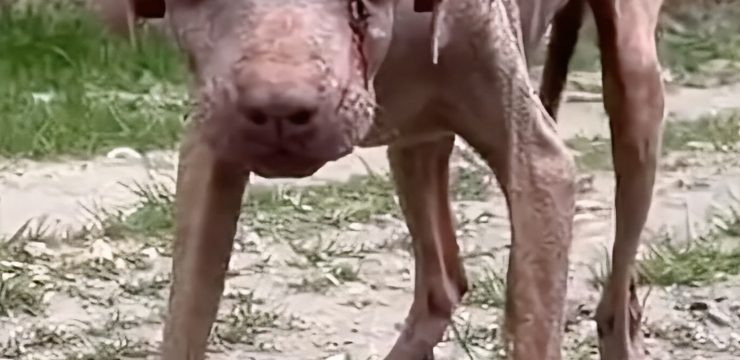
Dogs do not understand why they are left behind. They only understand that the people they love are suddenly gone. For Millie, that confusion hardened into terror. She would not make eye contact. She flinched at movement. Even the gentlest approach caused her to shrink further into herself. It was as though her spirit had folded inward, protecting what little remained of her broken trust.
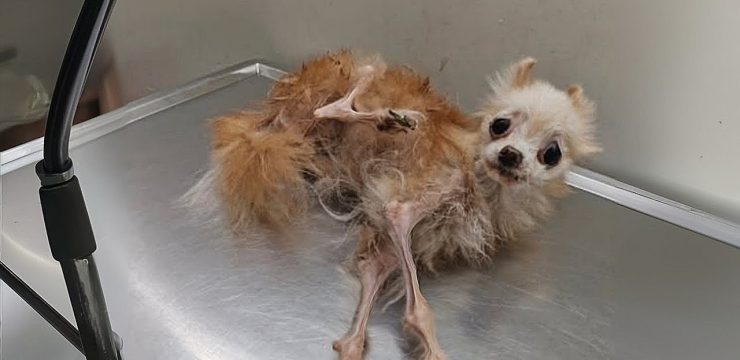
Then came the most devastating blow. Millie’s name was placed on the euthanasia list. In overcrowded shelters, difficult decisions are made every day, and fearful dogs often have the least chance of being chosen. A seven-year-old dog who would not look at anyone, who trembled uncontrollably, who seemed unreachable—she was at risk of quietly fading away without ever knowing safety again.
But someone saw beyond the fear.
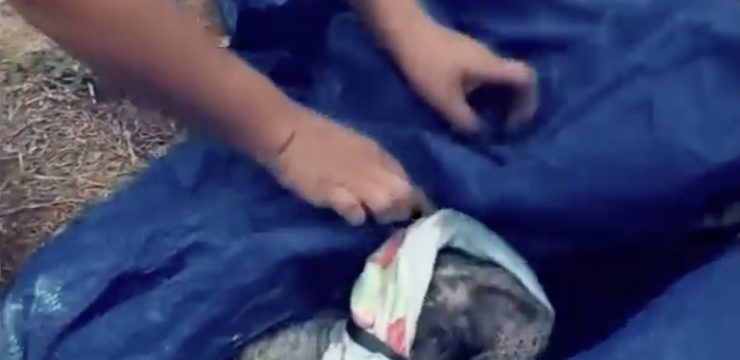
A rescuer stepped forward, determined that Millie’s story would not end in that sterile room. She was given a safe haven, a place where expectations were replaced with patience. There was no pressure to perform, no demand for affection. Instead, there was space—gentle, steady space.
Millie’s struggles were not only emotional. Beneath her fragile demeanor were serious physical challenges. She tested positive for heartworm disease, a condition that can quietly damage the heart and lungs if left untreated. She also suffered from arthritis in her back and knees, causing chronic discomfort that likely added to her withdrawn behavior. Pain and fear often intertwine, each feeding the other in a cycle that is difficult to break.
Treatment began carefully. Veterinary care addressed her heartworm disease with monitored therapy, and her arthritis was managed with medication and supportive care. Yet medicine alone could not heal what abandonment had done to her spirit. Emotional wounds require something far less tangible: time, consistency, and compassion.
Her rescuer understood this deeply. Instead of forcing interaction, she allowed Millie to feel “invisible.” A crate became her sanctuary, not a prison. No one dragged her out. No one insisted she socialize. Food was placed nearby. Soft voices filled the room. Daily life continued around her in a calm, predictable rhythm. Slowly, Millie began to observe.
Trust is not rebuilt in grand gestures. It grows in quiet moments. The absence of harm becomes its own reassurance. Over days and weeks, Millie’s trembling softened. She still avoided direct contact, but her breathing grew steadier. She listened when her rescuer spoke. She watched from the safety of her crate, gathering evidence that this new world was different from the one that had hurt her.
Then, one day, something remarkable happened.
Millie stepped out of her crate on her own.
There was no coaxing, no leash pulling her forward. Just a tentative paw placed onto the floor, followed by another. Her body was stiff, uncertain, but she chose movement. That small step represented something far greater than physical relocation. It signaled courage. It meant that somewhere deep inside, hope had begun to stir.
Soon after came a moment so subtle that it might have been missed by an impatient eye. Millie’s tail moved. Not wildly, not with the exuberance of a carefree puppy, but gently. A soft wag. It was the first outward sign that she felt even a flicker of safety. For a dog who once trembled in every corner, that motion carried profound meaning.
Healing is rarely dramatic. It unfolds in increments. A lifted head. A longer glance. A body that no longer shrinks at every sound. Millie began to accept soft touch. She allowed herself to sit closer. Her eyes, once hollow with fear, started to reflect curiosity. The world no longer seemed like a place she needed to hide from completely.
For older dogs especially, resilience is often underestimated. At seven years old, Millie had already endured deep loss. Yet her story reminds us that it is never too late for transformation. With proper medical treatment, her physical pain eased. With steady kindness, her emotional scars began to mend.
What saved Millie was not a miracle cure. It was patience. It was a rescuer willing to meet her exactly where she was, without rushing her progress. It was the understanding that love does not demand instant trust—it earns it.
Her journey speaks to a truth many animal advocates know well: dogs may be broken by abandonment, but they are also capable of remarkable recovery when given safety and time. Millie did not need to become a different dog to be worthy of life. She simply needed someone to believe that her frightened heart was still capable of beating with joy.
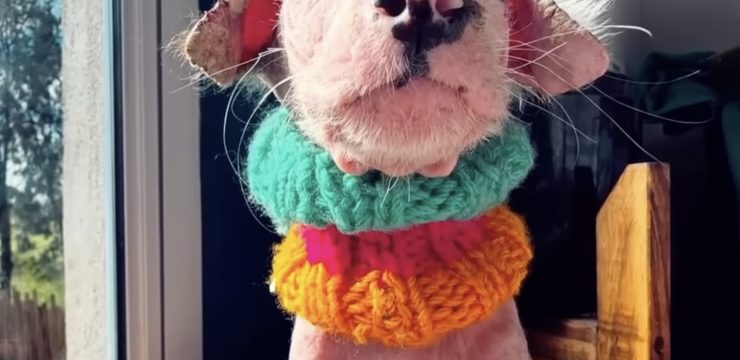
Today, the trembling corners are behind her. In their place stands a dog who once again allows her spirit to shine. Through compassion and unwavering commitment, a life that was nearly lost was restored—not just physically, but emotionally. Millie’s story is a quiet testament to what steady love can accomplish, even after the deepest wounds.