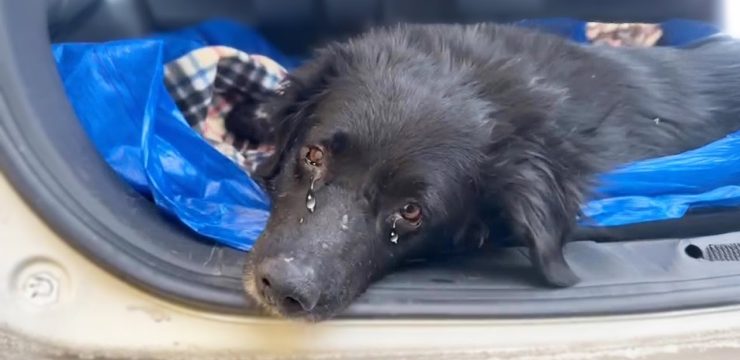
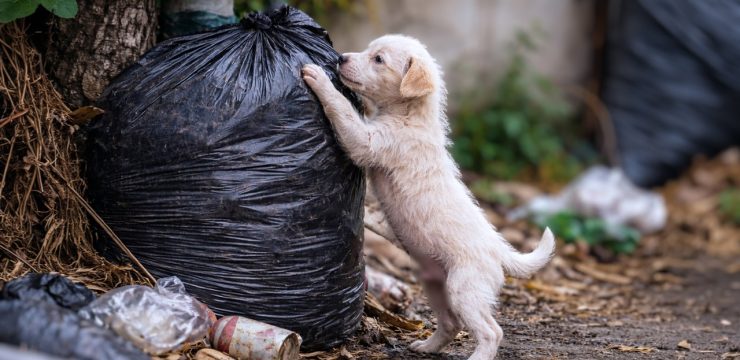
King’s story begins in a place no living creature should ever have to endure—discarded in a trash bin, unconscious and hovering between life and death. He had been thrown away like something broken beyond repair. When he was found, his frail body was limp, his breathing shallow, and his future uncertain. It was a sight that would stop anyone in their tracks, especially those who understand that animals feel fear, pain, and loneliness just as deeply as we do.
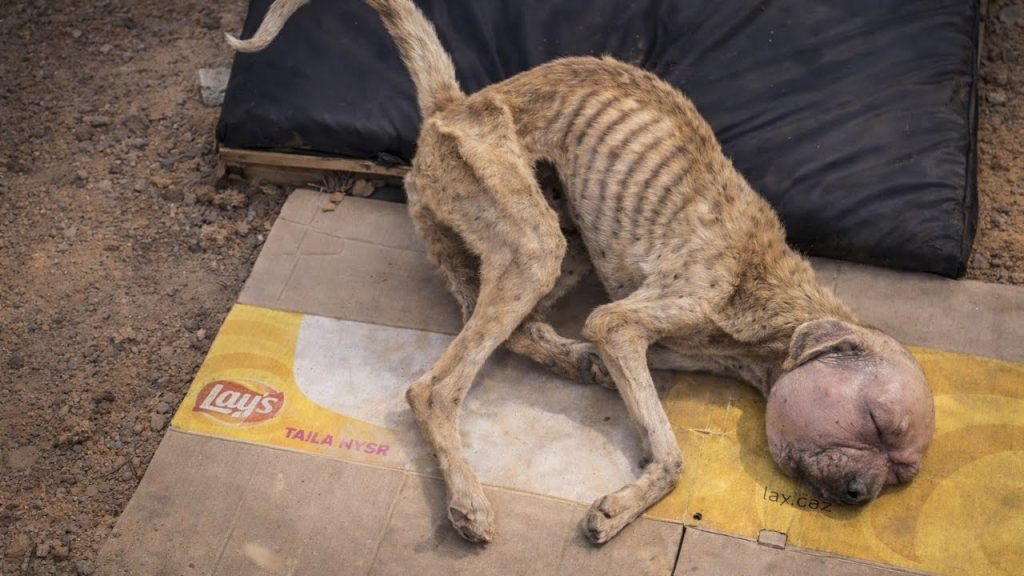
What rescuers soon discovered made his situation even more heartbreaking. King had severe disabilities that had likely led to his abandonment. He suffered from neurological complications and severely deformed legs caused by an extreme calcium deficiency. His small body had not developed properly, and every movement appeared to require enormous effort. He could not stand the way a healthy dog would. He could not run. He could barely respond.
Veterinarians assessed his condition with cautious honesty. The prognosis was grim. Multiple shelters were contacted in hopes that someone could take him in and provide the medical attention he desperately needed. One by one, doors closed. The outlook seemed too uncertain. The cost of care would be high. His chances of recovery appeared painfully slim.
In moments like these, many would have chosen the path of least resistance. Ending his suffering might have seemed like the kindest option. But King’s rescuer saw something different when she looked at him. Beneath the fragile body and unresponsive eyes, she saw a life worth fighting for. She refused to surrender to despair. Instead of giving up, she committed herself to constant care, gentle reassurance, and unwavering presence.
The early days were filled with uncertainty. King required round-the-clock attention. His neurological condition meant progress would be slow, if it came at all. Feeding him was delicate work. Monitoring his comfort was constant. There were nights when exhaustion pressed heavily on everyone involved. Yet through it all, there was a quiet determination that refused to fade.
Gradually, something remarkable began to happen. Small signs of awareness appeared. A subtle shift in his gaze. A faint response to touch. The tiniest flicker of engagement. To an outsider, these might have seemed insignificant. To those who had witnessed how close he had been to slipping away, they were monumental.
Veterinarians began to acknowledge that King’s resilience was extraordinary. His body, once written off as too damaged to recover, was responding to consistent care and patient therapy. Improvements came slowly but steadily. His strength increased. His alertness sharpened. What once felt impossible started to look like hope.
After two intense weeks of dedicated treatment, King reached a milestone few had expected. He was stable enough to leave medical supervision and transition into a home environment filled with warmth and safety. The day he crossed that threshold was not simply a discharge from care; it was a quiet victory over doubt.
Life at home introduced King to experiences he may never have known before—soft bedding, gentle voices, consistent affection. Healing is not only physical. It is emotional. Animals, especially those who have been abandoned, need reassurance that they are safe. King received that reassurance every single day.
Still, mobility remained a significant challenge. His legs, weakened by deficiency and deformity, limited his ability to move independently. Rather than accept that limitation as permanent confinement, his rescuer sought a solution. A custom wheelchair was designed specifically for him, tailored to support his unique frame and needs.
The first time King experienced movement with proper support was transformative. Instead of dragging himself forward with difficulty, he could propel himself with confidence. The change was immediate and profound. He could explore. He could follow sounds. He could approach other dogs without hesitation.
With mobility came joy. King began to interact, to play, to discover the simple pleasures that many dogs take for granted. The wheelchair did not define him; it empowered him. What once appeared to be a life destined for suffering evolved into one filled with activity and connection.
Today, King lives peacefully and actively, surrounded by care that never wavers. His disabilities remain part of his story, but they no longer define his future. He has become a testament to what patience, commitment, and compassion can accomplish when circumstances seem hopeless.
For those who have ever wondered whether one person’s effort truly matters, King’s life offers a clear answer. Love does not erase hardship overnight. It does not guarantee immediate miracles. But it creates the conditions where healing can take root.
His journey reminds us that some of the most meaningful victories are quiet and hard-earned. They unfold in small steps, in late-night vigils, in decisions to try one more time when giving up feels easier. King was once discarded because he seemed beyond saving. Today, he runs and plays in his own way, supported by tools that allow him to thrive.
In a world where convenience often outweighs commitment, his story stands as a gentle but powerful reminder: perseverance guided by compassion can change the course of a life. And sometimes, what begins in the darkest place can lead to a future brighter than anyone imagined.