Mo was discovered in a condition so distressing it is difficult to comprehend how any living creature could endure such suffering. When rescuers first found her, her mouth had been tightly sealed shut with heavy-duty tape. The adhesive had pressed so harshly against her fragile face that it began cutting into her skin. She could not eat, could not bark, and could barely breathe comfortably. Her body was painfully thin—nothing but skin stretched over delicate bones. She was too weak to stand on her own, her legs trembling beneath the weight of prolonged starvation.
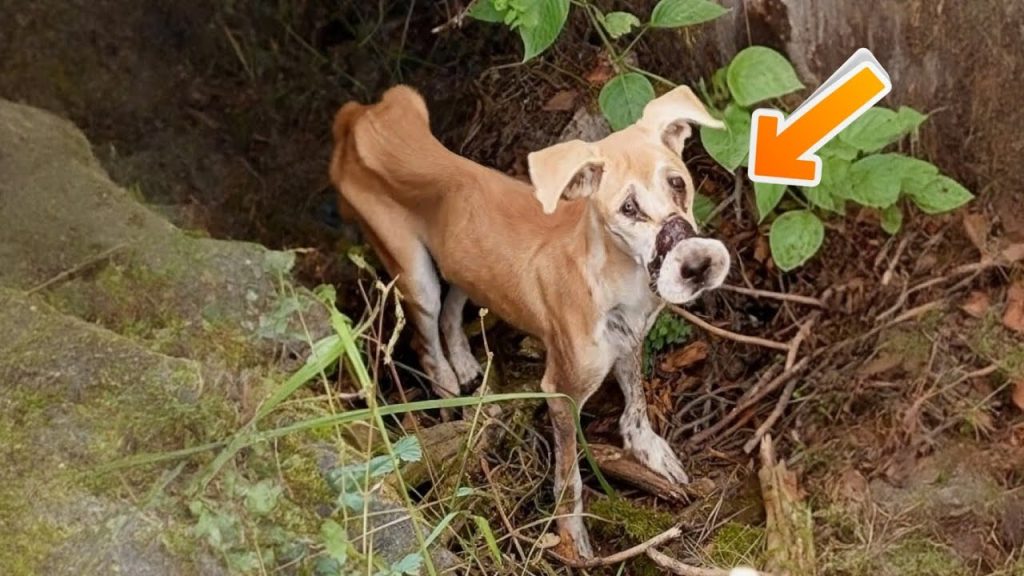
The sight of her was heartbreaking. Her eyes, dull from exhaustion, reflected confusion and fear, yet somewhere deep inside there was still a flicker of life. She had survived despite circumstances that might have claimed a weaker spirit. Carefully, the rescuers removed the tape that had imprisoned her mouth, an act that must have brought both relief and lingering pain. Every movement was handled with tenderness, as if she might shatter from the slightest pressure.
She was rushed immediately to a veterinary clinic, where medical staff began working to stabilize her. Pain relief was administered to ease her suffering, and her wounds were gently cleaned and treated. Despite the trauma she had endured, her initial lab results brought a small but meaningful sense of hope. Remarkably, there was no evidence of irreversible organ failure or severe internal disease. The primary issue was extreme malnutrition. Her body had simply been deprived for far too long.
For many older Americans who have loved animals throughout their lives, it is impossible not to reflect on how trust can be betrayed. Dogs give loyalty without conditions. They depend entirely on human care. To see that trust broken so cruelly stirs a deep ache in the heart. Yet Mo’s story does not end in despair. It begins there—but it does not remain there.
Her recovery required patience and discipline. The veterinary team placed her on a strict nutritional plan designed to reintroduce food safely into her weakened system. When she was finally able to eat, she did so with an urgency that spoke volumes. She devoured each carefully measured meal as though she understood that nourishment meant survival. For days, she ate ravenously, her body absorbing every calorie like parched soil drinking rain.
Gradually, subtle changes began to appear. Her eyes grew brighter. Her breathing steadied. The trembling in her legs diminished. Within just a few days, the transformation was already visible. The skeletal outline that once defined her frame began to soften. Energy returned to her movements. She could lift her head with confidence and even attempt short, wobbly steps. What had seemed like a broken spirit was, in truth, a resilient heart waiting for a second chance.
Physical healing was only part of her journey. Emotional recovery often takes longer. At first, she startled easily at sudden sounds. Gentle voices and slow movements became essential tools in rebuilding her sense of safety. Caregivers sat quietly beside her kennel, allowing her to grow accustomed to kindness without pressure. Over time, she began to respond. A cautious tail wag. A tentative nuzzle. Small gestures that signaled trust returning piece by piece.
Stories like Mo’s remind us that compassion is not abstract; it is practical and active. It is the decision to intervene. It is the willingness to spend hours cleaning wounds, preparing special meals, and offering reassurance when fear lingers. For many readers in their fifties and beyond, this message resonates deeply. Life experience teaches that restoration—whether of health, relationships, or hope—rarely happens overnight. It unfolds through consistent care.
As Mo regained strength, the possibility of adoption became real. She was no longer the fragile dog who could not stand. She had become alert, responsive, and eager for affection. Her personality, once hidden beneath trauma, began to shine. She showed curiosity about her surroundings and leaned gently into the hands that stroked her fur. The staff who had witnessed her lowest moments now had the privilege of seeing her renewal.
The day she met her future family marked a new chapter. They did not see a victim; they saw a survivor. They understood that behind her quiet demeanor was extraordinary resilience. When she left the clinic, she stepped into a life defined not by neglect, but by warmth and stability. A soft bed awaited her. Nutritious meals were offered regularly. A secure yard provided space to explore without fear.
Today, Mo sleeps peacefully in a home where she is cherished. She plays in a safe environment, her once-frail body now strong and energetic. The dog who once lay too weak to rise now greets each day with vitality. Her transformation from a terrified, emaciated animal into a joyful companion stands as powerful evidence of what attentive care can accomplish.
Her story carries a lesson that extends beyond one rescued dog. It affirms that even in the face of cruelty, healing is possible. It reminds us that while suffering may be inflicted in moments, restoration is built through commitment and compassion. For anyone who has ever opened their heart to an animal, Mo’s journey reinforces a simple but profound truth: love, when paired with action, can rewrite a life’s trajectory.
In a world where troubling stories often dominate headlines, accounts like this offer something invaluable—hope grounded in reality. Mo’s survival was not accidental. It was the direct result of people who chose to care. And because they did, a life that once hovered on the edge of despair now thrives in security and joy.